Small Coats, Steady Hands: A Calm Handover Plan for Event Creches
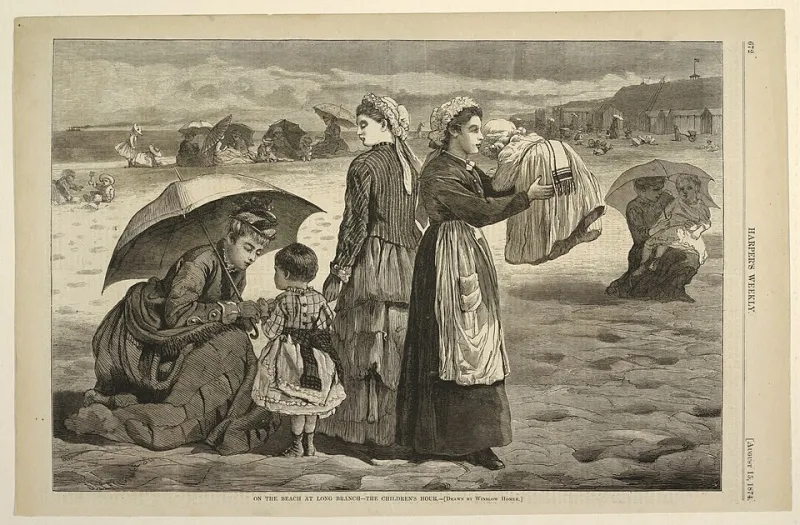
Photo: Engraved by J. L. Langridge, Public domain, via Wikimedia Commons
There is a particular sort of hush that falls over a village hall entrance when a small child decides they are not ready to be handed over. The parent is late, the organiser is hovering, and the child has become a limpet in a tiny coat. It is tempting to read this as a sign that the creche is wrong, or that the child is not ready for childcare. Usually it is neither. It is a transition problem, and transitions respond well to a calm, repeatable routine.
At CrecheMobile UK, we see this most often at community events, weddings and school fairs where the creche is one part of a busy day. The child has already coped with a car journey, a new building, unfamiliar noises and the sight of lots of adults. The goodbye is the final straw, not the whole story. A ten-minute handover plan will not remove every tear, but it can stop the entrance turning into a scene.
Start before the door
Preparation begins before you reach the venue. Tell your child, in plain language, what is going to happen. Avoid a long speech. Something like, ‘We are going to the creche. There will be a rug, some bricks and a lady called Sam. I will say goodbye, then I will come back after the cake.’ Keep it honest and concrete. If you do not know the key worker’s name yet, ask the organiser in advance. If you can, show your child a photo of the room or the entrance.
Pack the comfort object early. A bunny, a muslin, a small car, a dummy: these are not weaknesses. They are portable pieces of home. Label them clearly. Arrive ten minutes before you need to be elsewhere, not because the creche needs a grand performance, but because rushing tells a child that something is wrong.
The first three minutes: a play invitation, not an interview
A good handover is short. The creche team should greet your child at eye level and introduce the named key worker. Then offer a simple play choice: bubbles or bricks, cars or crayons. Avoid asking, ‘Do you want to stay?’ That is too big a question for a three-year-old. A choice between two small activities is manageable.
If the room allows, have a low table or rug near the entrance where a child can watch for a moment before joining in. The key worker can sit with them rather than swooping. The parent should not linger at the doorway, half in and half out. Say goodbye once, clearly, and then go. Sneaking away may avoid a scene in the moment, but it tends to make the next handover harder.
Comfort objects and comforter etiquette
A comforter should stay accessible. It should not be tidied into a communal toy box or put on a high shelf. At events, we like a named tray or a small home box where comfort objects live. If a child asks for it, they get it. They do not have to share it. For older children, a pocket token, a small photo or a sticker on the back of the hand can work in the same way.
If your child uses ear defenders, a chewy, a fidget or a particular cup, say so before the day. These are not fussy extras. They are part of how your child stays regulated in a busy room.
Named key workers and a simple handover note
Children settle faster when they know who is looking after them. Organisers should make sure the key worker’s name is visible on a badge and that a back-up name is shared too. At a mobile creche, staff rotas happen, but a child should not have to start from scratch every hour.
Keep your handover note short. The team does not need your child’s full life story at the door, but they do need the practical things. A one-page form is enough. If you are handing over to a mobile team at a community event, ask where the form goes and who reads it.
Goodbye phrases that do the job
Short, honest and repeatable works best. For an under-two, try: ‘I am going now. I will come back. Sam has your bunny.’ For a two- or three-year-old: ‘You will have a snack and a play, then I will be back at the blue door.’ For a three- to five-year-old: ‘I will be back after the choir. You can tell me about your painting.’
Avoid ‘I will only be five minutes’ if that is not true. Avoid ‘Don’t cry’ and ‘Be a big boy’. A child who is crying is not failing at childhood. Try, ‘You look worried. It is okay to feel wobbly. Sam will help you.’ Then go, with a steady face. Your child will read your calm more than your words.
What to tell the creche team before you go
- Your child’s preferred name and how to say it.
- The comfort object, where it lives and whether it is allowed out and about.
- Allergies, medical conditions, medication and any emergency plan.
- Nappy, toileting, sleep and snack needs.
- Key words, signs, languages or phrases your child uses.
- What helps them settle: movement, quiet, a particular song, a favourite book.
- What to avoid: loud music, costumes, group circle time, sudden announcements.
- Who is collecting them, and any password or collection arrangement.
- Your mobile number and a back-up contact.
- Anything recent that might affect them, such as a new baby, a house move or a poorly pet.
The pick-up is part of the ritual
Return when you said you would. If you are delayed, ring the creche. Collect calmly, even if you have had a stressful morning. Let your child show you something before you ask questions. ‘What was the best bit?’ is a better opener than ‘Did you cry?’ Reunite them with the comfort object if they want it.
For organisers, the practical lesson is simple: create a drop-off lane away from the main registration desk. Give parents a ten-minute window. Have a named person with a clipboard. Do not turn the doorway into a production line. A calm handover is not indulgent. It is good event planning, and it gives small children a fair chance to enjoy the play that follows.