From Eye-Rolls to Encores: Activity Zones That Win Over 5–11s at UK Events
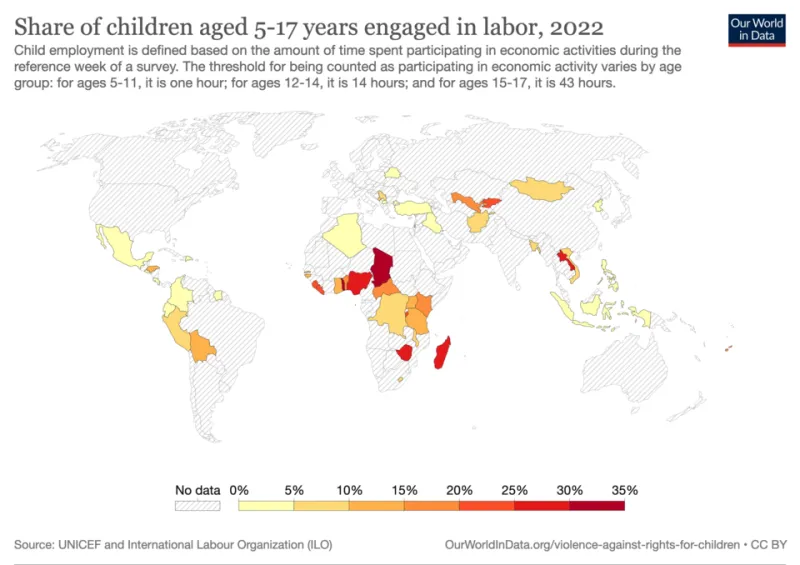
Photo: Our World in Data, CC BY-SA 4.0, via Wikimedia Commons
Ask a room of eight-year-olds whether they want to go to the creche and you may get a chorus of groans. Ask them whether they want to build a secret base, beat the clock and make something they can actually take home, and the mood changes. That is the trick with 5–11s: they do not want to feel babysat. They want to feel trusted, busy and just old enough to be doing something interesting. Whether you are running a wedding, a conference, a festival or a village hall fun day, the activity zones you set up matter as much as the sign-in sheet.
Start with the not-a-nursery vibe
Five-to-elevens are quick to pick up on babyish signals. If the space looks like it is aimed at toddlers, they will switch off before they have taken their coats off. Skip the primary-coloured plastic where you can, and go for open-ended kit: cardboard, fabric, clipboards, tape, chalk, simple tools and a bit of mystery. A table labelled “invention station” will get a very different reaction from one labelled “craft time”. Small wording choices tell older children that you expect them to bring ideas, not just sit nicely.
It also helps to give them a role. A creche that offers “helpers” a clipboard, a timer or a job as den inspector immediately feels more grown-up. You are not pretending they are staff, obviously, but you are treating them as capable. That goes a long way with the child who reckons they are too cool for the whole thing.
Zone it like a mini festival
A single table of colouring pens will not hold a mixed group of 5–11s for long. Split the room into clear but flexible zones so children can move without turning the space into a free-for-all. Think build, make, move and chill. The build zone needs floor space and loose parts. The make zone needs a wipe-clean table and somewhere to put wet creations. The move zone needs a clear run of floor and a way to keep it away from the quieter corner. The chill zone needs cushions, books or simple puzzles and a bit of distance from the loudest game.
Keep the zones visible. A simple hand-drawn map on a flip chart works better than a laminated rule list. Children can see where they are going and what is on offer, and staff can spot quickly if one area is getting crowded. For event organisers, this also makes the space easier to risk-assess: you can see the busy bits, the trip hazards and the quiet corner at a glance.
Den-building challenges that feel like proper work
Den building is brilliant for this age group because it scales up or down in seconds. Give a group a pile of blankets, clothes pegs, cardboard tubes and a couple of lightweight chairs, then set a challenge: build something that can fit two people and survive a gentle fan test. Add a clipboard for a design sketch, and suddenly you have planning, teamwork and a bit of drama. For older children, add a budget: each team gets ten tokens and materials cost tokens, so they have to negotiate.
A few practical rules keep it happy. Keep den materials clean and splinter-free, avoid heavy poles, and make sure staff can see inside every den. Agree a no-taping-to-walls rule with the venue before the day. And have a clear “build, show, dismantle” rhythm so children do not feel their masterpiece is being snatched away. A two-minute tour for parents at pick-up is a nice touch, too.
Low-key competition without the meltdowns
Some 5–11s love a leaderboard; others will quietly withdraw if they think they are about to lose. The answer is competition with a soft edge. Team games, personal bests and silly challenges work well: how many beanbags can the team land in a hoop in sixty seconds, can you build the tallest free-standing tower from paper cups, can you cross the room using only three floor spots? Keep scores short-lived and celebrate effort as loudly as results.
Avoid elimination games where children sit out for long stretches. If a game needs a winner, make sure the next round starts quickly and everyone rotates back in. Have a “challenge card” option for children who would rather test themselves than compete against someone else. That way the child who wants to win and the child who hates being watched both have a route in.
Craft with a purpose
Craft lands better when there is a reason for it. Make protest posters for a pretend festival, design a badge for the event, build a cardboard city, create a comic strip about the day, or make a small gift for whoever is collecting them. Purpose does not have to be grand. It just needs to answer the question: why are we doing this?
Keep the materials low-risk and the instructions open. A template can help children start, but leave room for them to go off-piste. Staff should be comfortable with mess, within reason, and clear about where wet paint goes. If you are at a venue with limited cleanup time, choose air-drying clay, paper collage or badge-making over anything that needs a sink and half an hour to dry.
The calm-down corner is not a naughty step
Every creche needs a quiet corner, and it should not feel like punishment. A small den, a beanbag, a basket of books and a sign that says “quiet zone” gives children permission to step away before they boil over. For 5–11s, that can be the difference between a wobble and a full meltdown. Staff should check in without hovering, and parents should be told at handover that the quiet corner exists.
It is also worth having a small basket of fiddle toys, sketchbooks and headphones if the venue allows them. Some children need to move, some need to still their hands, and some need a bit of both. A calm corner is not a replacement for good staffing, but it is a useful pressure valve.
Staffing ratios and the trust factor
Ratios depend on the age mix, the space and the activities, so agree them clearly with your provider rather than guessing. As a practical starting point for 5–11s, one adult to eight children can work for settled activities, but tighten that for den building, tools, high-energy games or children who need closer support. Always follow the provider’s policy and the venue’s risk assessment. Ask how staff are deployed, who holds the register and who makes the call if a child wants to leave early.
The real goal is trust. Explain the rules once, clearly, then let children get on with it. Give them jobs, ask their opinions and avoid talking about them as if they are not there. A mobile creche for older children should feel like a well-run club, not a holding pen. Get that right and the eye-rolls turn into requests to stay for one more round.