Little Legs, Loud Fields: Building a Creche Rhythm for Under-Fives at UK Festivals
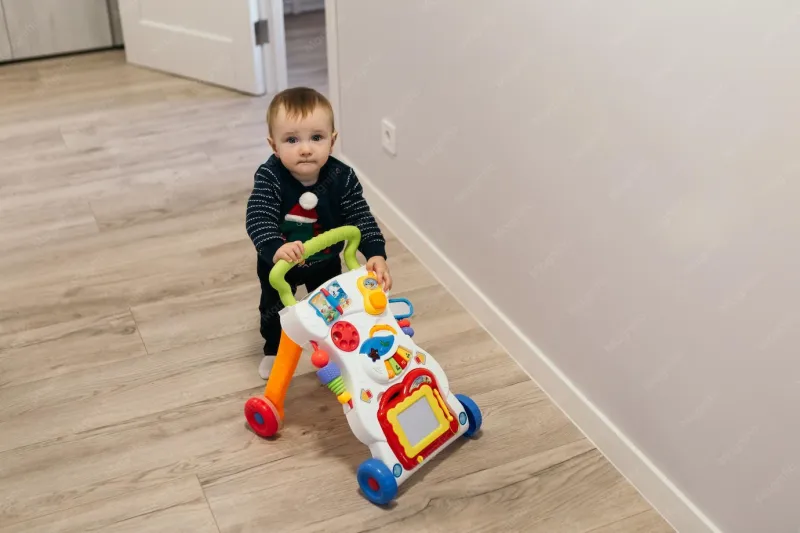
Photo: toddler sensory quiet corner at an outdoor UK festival creche with soft mats, via img.freepik.com
A UK festival field in August is a wonderful place for a five-year-old with a bucket hat and a disposable camera. It is a much more complicated place for a one-year-old who needs a nap, a nappy change, and a break from the bass line. That is not a reason to leave families out of event planning. It is a reason to build a creche rhythm that bends with the day instead of fighting it.
Start with the child’s clock, not the event schedule
Festival timings are usually built around acts, workshops, food stalls, and the big evening headliner. Babies and toddlers do not care about any of that. They care about snacks, sleep, movement, and familiar faces. A creche for under-fives works best when it accepts that reality and plans around short cycles rather than long sessions.
Instead of thinking in half-days, think in blocks of 20 to 40 minutes. A toddler might move through free play, a snack, a story, a wander, and a quiet sit-down in the time it takes an adult to drink one coffee. The creche should be set up to support that rhythm, with activities that can start and stop without drama. This is especially important at outdoor events in 2026, where heat, noise, and crowds can shorten everyone’s patience.
The baby bubble
Babies need a protected patch. At a festival or fair, that usually means a covered area away from the main walkway, with clean matting, a buggy park, and a clear policy on shoes off. The baby zone should feel calmer than the event around it. Think soft colours, fewer toys, and a staff member who is not constantly leaping up to fetch things.
Noise is the big one. A marquee can amplify sound in strange ways, and a nearby soundcheck can turn a nap corner into a wake-up zone. Ear defenders help, but they are not a complete solution. The creche should have a quiet corner that is genuinely quiet, even if that means using drapes, rugs, or a separate smaller tent within the creche footprint.
Toddler tide: short bursts and big movement
Toddlers do not do gentle, sustained crafts at the best of times. At a festival, they are even less likely to sit still. The creche should give them somewhere to move: soft play blocks, a small tunnel, a ball pit with a low edge, or a marked-out run-around space. The goal is to let them burn energy without letting them disappear into a crowd.
This is where zoning really earns its keep. A toddler who can see the baby mat and the craft table may still choose to run in circles, but at least the adults can see where the boundaries are. Activities should be open-ended and easy to reset: stacking cups, chunky chalk, sensory bags, and simple musical instruments. Avoid anything that needs a long explanation when there are 12 other children in the room.
Pre-schoolers: choice without chaos
Pre-schoolers like to feel in charge. A festival creche can lean into that by offering a few clear choices rather than a free-for-all. A making table, a book nook, a small-world tray, and a movement corner give them enough variety without overwhelming them. If the event has a theme, use it lightly. A farmyard small-world tray or a seaside sensory bin is enough. You do not need a full production.
The useful rule is this: fewer activities, more depth. Three well-set-up stations will work better than eight half-prepared ones. It also makes tidying and resetting much easier when the next wave of children arrives.
Nap-friendly corners that survive noise
Naps at events are a negotiation. Some babies will sleep in a buggy with a muslin over the top. Others need a darker, quieter corner. The creche should have both options if space allows: a buggy park where parents can leave a sleeping baby with a staff member nearby, and a mat area with a screen or drape to soften the visual noise.
Staff should know each child’s nap routine and comfort item. That sounds obvious, but it is easy to lose track when children are coming and going. A simple note on the registration sheet, such as sleeps after lunch or needs dummy and rabbit, saves a lot of guesswork. Organisers can help by giving the creche a spot away from the main stage and the burger van. That is not a small request. It is the difference between a usable nap corner and a decorative one.
Feeding, nappies, and the unglamorous logistics
Feeding and nappy changes need a proper plan. For bottle-feeding, the creche needs a clean surface, hand gel, and a way to keep bottles cool or warm as needed. For older children, snack times should be predictable and nut-free if the event is open to the public. A water station with small cups is worth its weight in gold.
Nappy changes need a dedicated area with wipes, bags, a mat, and a bin. It should not be in the middle of the play space. It should also be close enough that staff are not leaving the room for long stretches. If the venue has accessible toilets nearby, use them for handwashing and disposal, but keep the changing mat and supplies within the creche so you are not trekking across a muddy field with a baby on your hip.
Sensory breaks and avoiding overstimulation
A festival is a lot: bright colours, loud music, strange smells, crowds, and weather. Under-fives can tip from delighted to overwhelmed very quickly. A good creche plan includes sensory breaks before the tipping point. That might be a story in a quiet corner, a sensory bottle, a blanket over a table, or simply a sit-down snack with one adult.
Watch for the usual signs: rubbing eyes, covering ears, going very still, or getting suddenly cross. At that point, a change of scene is better than another round of bubbles. The creche should have a low-stimulation corner that is always available, not just when a child is already in tears. For organisers, that means giving the creche enough space to have a quiet zone. For parents, it means telling staff what settles your child and what winds them up.
For organisers: small decisions that make a big difference
Event organisers can make a festival creche work by thinking about it early. Put the creche away from the main stage and the loudest generators. Give it a clear drop-off point. Make sure the ground is level enough for mats and buggies. Provide a water tap or a refill station nearby. Tell the creche team where the first-aid point is and who to call if a parent is delayed.
None of that is glamorous, but it is the difference between childcare that works with the event and childcare that merely exists beside it. Families remember the events where they could relax because their little one was safe, settled, and not completely overstimulated. That is a good reputation to build.