Room to Regulate: Designing Community Event Creches That Work for SEND Families
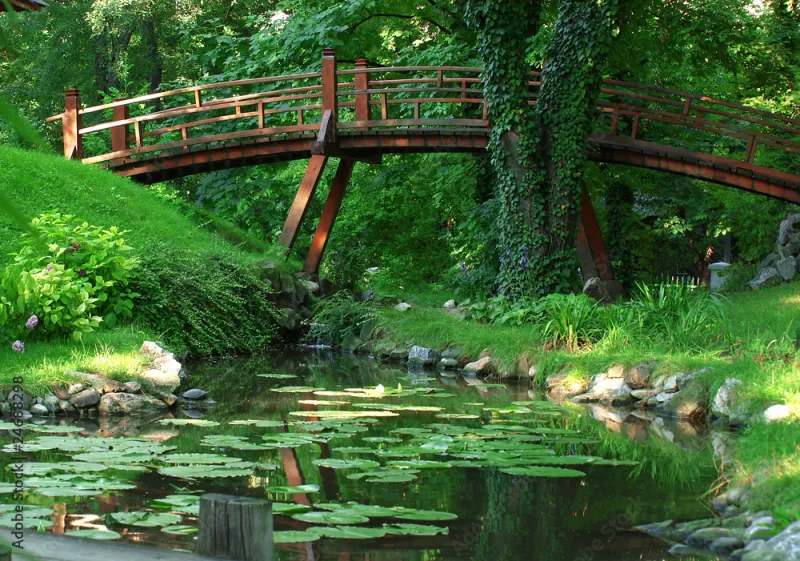
Photo: quiet sensory corner with cushions and ear defenders at a community event creche, via as1.ftcdn.net
Community events often treat the creche as the cheerful bit at the edge of the field: a gazebo, a box of toys, a bouncy castle and a member of staff in a high-vis vest. For many children, that is brilliant. For some children with special educational needs and disabilities, it is the exact combination of noise, queueing and unpredictability that makes an otherwise lovely day impossible.
This is not a criticism of bouncy castles. It is a criticism of the assumption that one version of fun fits everyone. A SEND-friendly creche is not a separate, clinical add-on. It is a creche that has thought about sensory load, communication and escape routes before the first family arrives. In 2026, with community events under pressure to be inclusive without inflating budgets, this is a planning conversation worth having properly.
The bouncy castle is not the problem. The single offer is.
A village fete, a council fun day, a summer fair or a winter lights switch-on can all be wonderful. They can also be a wall of sound. Generators hum, tannoy announcements crackle, queues snake, and well-meaning volunteers in mascot costumes loom. A child with autism, ADHD, sensory processing differences, anxiety, a learning disability or a physical disability may need a quieter way in.
Too often, SEND provision at events is framed as a special request. Parents are asked to email ahead, provide a diagnosis, book a quiet slot or explain their child to a stranger on the gate. That is a hoop, and it puts the burden in the wrong place. Inclusion should be built into the creche design, not negotiated at the entrance.
Predictability is a form of welcome
Children who struggle with transitions do better when they know what is coming. A visual timetable at the creche entrance is a small, cheap intervention with a big effect. Simple icons or words can show: arrive, play, snack, quiet, craft, collect. Staff can use now-and-next language. ‘Now we are playing with the bricks. Next we will have a snack.’
Warnings before changes help too. Do not suddenly start a group parachute game with a whistle. Give a five-minute warning, then a two-minute warning. If a mascot is visiting, say so in advance and keep the mascot away from the quiet corner. Surprises are not universally delightful.
A pre-event photo story is another practical tool. A few photos of the room, the entrance, the toilets and the staff can help a child know what to expect. It does not need to be glossy. A phone camera and a one-page document will do.
Quiet space should not be a punishment or a secret
Many events do have a quiet room. Too often it is a storage cupboard at the far end of the site, reachable only by asking a steward who does not know it exists. That is not inclusion. A low-stimulation zone should be visible, normal and easy to reach. It should be near the creche but away from the main speaker, the bouncy castle and the refreshment queue.
Call it a chill-out corner rather than a SEND room. Fill it with cushions, books, ear defenders, a soft rug and maybe a small tent. Keep the lights low if you can. Let any child use it, not just children with a label. That way no one has to announce their needs to a volunteer with a clipboard. If a child needs to leave the main room, staff should know how to support that without making it feel like a sanction.
Flexible ratios are not a luxury
A creche for thirty under-fives with three staff is not SEND-friendly, however kind the staff are. Some children need one-to-one attention for part of the session. Some need a staff member who can crouch down, use simple language and wait. Some need help with personal care. Organisers should ask providers how they flex ratios and whether there is an inclusion lead on the team.
This is where budgets get real. Sensory-aware planning may mean lower child numbers, extra staff training, printed visual supports, ear defenders and a dedicated quiet space. That is a cost. But it is also an insurance policy against overwhelm, incidents and distressed families leaving early. Build an inclusion line into the event budget rather than treating it as a favour.
Clear communication without the hoop-jumping
Parents should be able to share what helps without writing a formal case study. A simple ‘all about me’ form is enough: what my child likes, what overwhelms them, how they communicate, what comfort object they use, and any medical or personal care needs. Make the form optional but easy to return. Offer a phone call if that is easier. Do not demand a diagnosis letter. You are planning childcare, not assessing eligibility.
On the day, staff should introduce themselves and explain the routine in plain English. If a child has a visual timetable, use it. If a parent says their child will not join the group game, believe them. Adapt the activity rather than forcing the child to adapt to the activity.
Questions organisers should ask before booking
- How will you gather access information without requiring a diagnosis?
- What does your quiet zone look like, where is it, and is it included in the base price?
- What are your staff ratios, and can they flex for children who need more support?
- How do you prepare children for transitions? Do you use visual timetables or now-and-next language?
- Can you provide a photo story or a pre-event look at the room?
- How do you handle ear defenders, fidgets, comfort objects and safe foods?
- What is your plan if a child needs to leave the main room for a while?
- Are staff trained in paediatric first aid, autism awareness or sensory needs?
- How do you communicate with parents during the session if something changes?
- What is your collection policy, and how do you manage a missing child?
These questions are not an audit. They are a conversation. A good provider will welcome them. A provider that says ‘we just get on with it’ may still be lovely, but they may not be ready for a child who needs a different way in.
For parents: ask without apologising
You are not asking for a favour by requesting a quiet space or a named key worker. You are asking for good planning. Share what helps, keep it brief, and ask for a photo story if it would help your child. If the answer is no, that is useful information. There will be other events, and other providers, that do the groundwork.
A bouncy castle can stay. A face-paint queue can stay. But a community event creche should offer more than one way to be a child at a party. Predictability, a quiet corner and staff who can adapt are not special treatment. They are the basics of a welcome that actually reaches everyone.