Before the First Hello: How a Mobile Creche Turns a Room Into a Safe Space

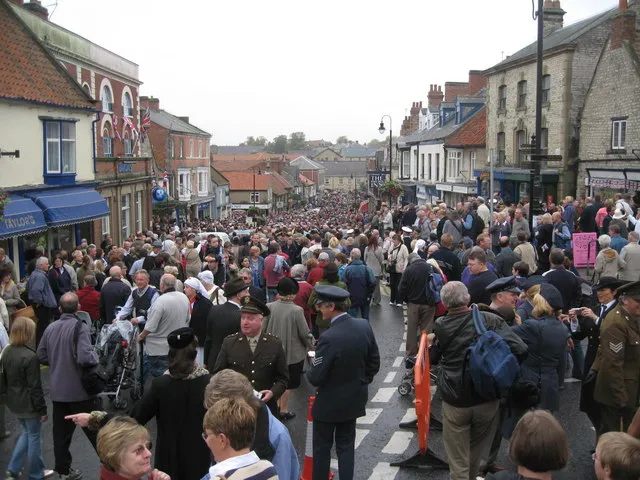
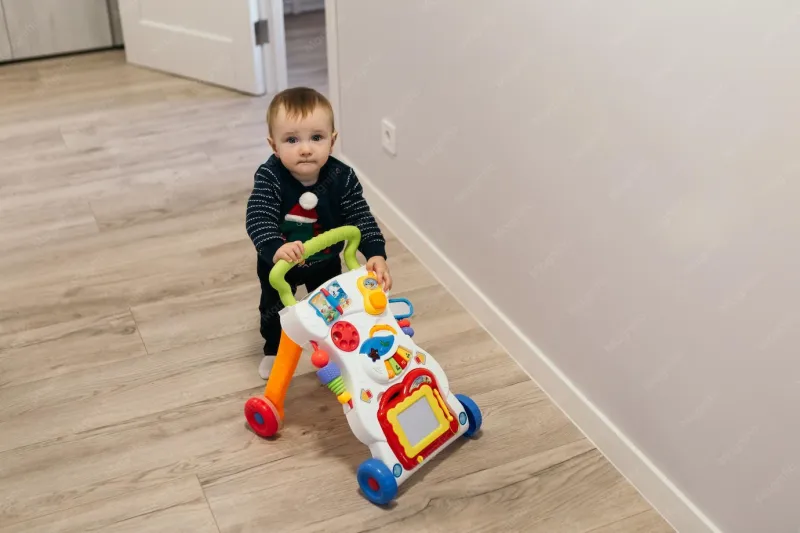
Photo: mobile creche team setting up soft play mats in a UK village hall, via startuppakistan.com.pk
It is 8.45am at a village hall in Hampshire. The chairs are stacked, the urn is cold, and the floor still smells faintly of last night’s parish council meeting. By 9.05am, the same room will have soft matting, a baby corner, a messy-play table, a book nook, and a clear path to the fire exit. The transformation looks almost theatrical. It is not. It is a carefully rehearsed setup with a lot of unglamorous checks behind it.
The 15-minute setup is the visible bit
When people ask about the 15-minute setup, they usually mean the bit they can see: the van doors opening, the team moving in a straight line, the mats landing, the toys appearing. That visible sprint is real, but it is the final layer. It only works because someone has already asked about parking, unloading access, floor space, power sockets, toilet proximity, and whether the hall has a stage that small people will absolutely try to climb.
For event organisers, the useful takeaway is simple: the setup starts well before the team arrives. A quick pre-event call about access, timings, and room layout saves everyone a stressful morning. For parents, it means the space you walk into has been thought about in advance, not improvised around a box of toys.
What comes out of the van first
A professional mobile creche does not unload by whim. The first items in are usually the things that create boundaries and safety: floor mats, low barriers, signage, the registration table, first-aid kit, and cleaning supplies. Only then do the play resources follow. That order matters. You want the frame of the space in place before you fill it with temptation.
The team will also check the route from the door to the creche area. Is it clear? Is it wide enough for a buggy? Is there a separate drop-off point so parents are not trying to sign in while a marquee crew rolls past with a trolley? Small logistical decisions like these make the difference between a calm handover and a chaotic one.
Safety checks before the first hello
Before any child is signed in, a lead staff member will usually do a walk-round. That means checking fire exits, checking that no cables are trailing across the play area, checking that furniture is stable, and checking that any outdoor space is secure and free from obvious hazards. If the creche is in a marquee, the team will look at guy ropes, floor edges, and ventilation. In a community room, they will look at radiators, sharp corners, and anything small enough to be picked up by a curious toddler.
This is also when the registration process gets set up: signing-in sheets, contact details, allergy notes, collection passwords, and wristbands or stickers if the event is busy. It is not bureaucracy for its own sake. If a child has a tricky allergy or a parent needs to be reached quickly, that paper trail is the difference between a quick response and a scramble.
Zoning the room for different ages
A good creche room is not one big pile of toys. It is zoned. Babies need a softer, quieter patch with clean matting and a clear line of sight for staff. Toddlers need space to move, push, build, and tumble without being trampled by older children. Pre-schoolers need a table for making, a corner for role play, and enough room to spread out without taking over the baby area.
The zones are not just about activities. They are about supervision. Staff can stand in a position where they can see the baby mat, the toddler run-around, and the craft table without turning their back on any of them. If the room is awkward, the team will adjust the layout rather than pretend it works. A creche that looks lovely but has a blind spot behind a screen is not a safe creche.
Staff roles are clearer than they look
From the outside, it can look as if everyone is simply playing. In reality, most mobile creche teams work with a lead, a set of playworkers, and a roving pair of eyes. The lead handles sign-in, queries, and any incidents. Playworkers are assigned to zones or age groups. Someone keeps an eye on the door. Someone else watches the quiet corner. The roles flex as children arrive, but the structure is there.
That structure is why parents can hand over a nervous child and go to their event without feeling they have abandoned them to chaos. It is also why organisers can relax. The team is not waiting to be told what to do. They know what needs checking, what needs cleaning, and what needs a calm adult voice before it becomes a problem.
What parents and organisers should expect
Parents should expect a short handover: names, ages, allergies, toilet needs, comfort items, and a clear collection process. Organisers should expect the team to ask practical questions, not awkward ones. Where is the nearest tap? Is the power supply safe? Who is the venue contact? What is the evacuation plan?
By the time the first child arrives, the room should feel settled. The mats are down, the toys are out, the register is open, and the team is ready. The 15-minute setup is not a magic trick. It is the visible end of a lot of quiet preparation, and that is exactly why it works.