The Quiet Corner That Carries the Day: Rest Planning for Daytime Mobile Creches
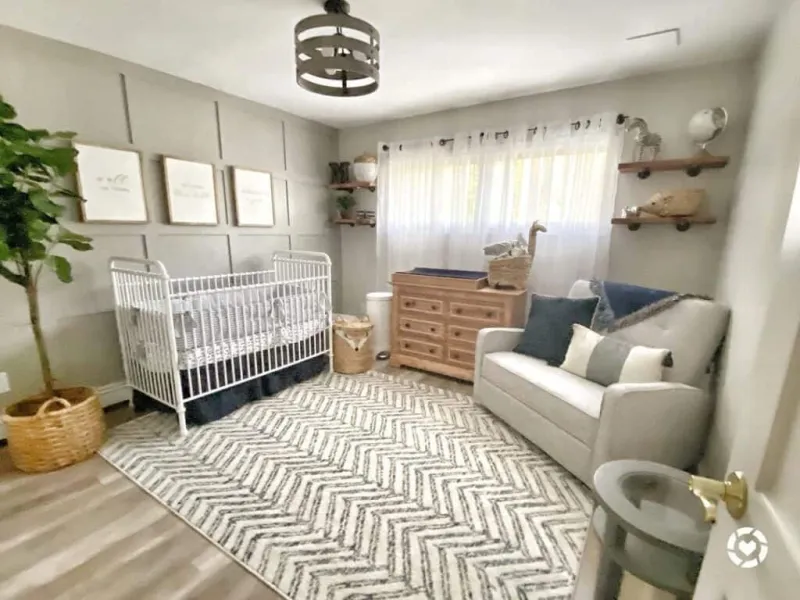
Photo: nursery nap room soft mats low light UK childcare, via www.soulandlane.com
At a daytime event, the nap corner can feel like an afterthought. The main room gets the seating plan, the catering gets the budget line, and the quiet space gets a corner behind a partition and a hopeful sign. In practice, that corner can hold the whole day together. Get it right and small guests reset, parents relax, and the event keeps its rhythm. Get it wrong and you can spend the afternoon managing overtired children, worried parents and a space that never quite feels calm.
A mobile creche rest zone is not about putting children down and walking away. It is a supervised, planned part of the day. Whether you are organising a wedding in a marquee, a conference with family guests, or a village hall fair, the same principles apply: safety first, calm second, and communication throughout.
Start with the day, not the duvet
Before anyone chooses a mat or a screen, look at the event timetable. When are the quietest spells? When will lunch finish? Is there a speech that parents will want to hear? Are families arriving early and leaving before tea? A rest zone works best when it follows the natural dip in the day rather than fighting it.
Ask parents at booking whether their child still naps, roughly when, and how they settle. You do not need a full sleep diary. A simple question such as 'Does your little one usually rest after lunch?' gives you enough to plan. It also tells parents that the creche team is thinking about rest, not just activities.
Sleep safety comes before style
For babies under twelve months, follow current safer sleep guidance. That means lying them on their back on a firm, flat surface, with a clear space around them and no pillows, duvets, bumpers or soft toys in the sleep area. A cot or travel cot should meet UK safety standards, and a mattress should be clean and firm. Babies should never be left unsupervised while sleeping.
For toddlers and older children, individual sleep mats with washable sheets work well. Label each mat or basket with the child's name. Keep the area clear of bags, coats and spare shoes. Room temperature matters too: aim for a comfortable 16–20°C, with ventilation but no draughts or direct heat. If the venue is a marquee or a hall with unreliable heating, check it before the event rather than discovering the problem at 1pm.
Light, sound and the soft barrier
The best rest zones are dim without being dark. Staff need to see every child clearly, and children need to feel settled rather than shut away. Use low, warm lighting and avoid harsh overheads. If the room has big windows, a simple screen or curtain can soften the glare without blocking supervision.
Noise is usually the bigger challenge. Position the rest zone away from the DJ, the bouncy castle, the kitchen and the main thoroughfare. A low-level white noise machine can help, but it should not be so loud that staff cannot hear a child stirring. Soft furnishings, a rug and a bookcase can absorb some sound, but they must not create blind spots. Think of the rest zone as a soft barrier around the day, not a sealed box.
Equipment that earns its space
You do not need a lot, but you do need the right things. Compact sleep mats, clean sheets, a named storage basket for each child, a covered buggy park and a small chair for the staff member on watch are a good start. Avoid beanbags for babies and makeshift beds on sofas or chairs. For older children who no longer nap, offer a quiet table with books and puzzles nearby, so they do not treat the sleep area as a playground.
A sleep check log is also worth having. It need not be complicated: time, child's name, position and any concerns. It shows parents that rest is being monitored, and it helps staff hand over accurately at collection.
Sightlines, ratios and the quiet handover
Staff should be able to see every sleeping child from where they sit. That may mean arranging mats in a shallow curve rather than a deep row. Ratios must be maintained at all times, and a sleeping child still counts. Never leave the rest zone unsupervised, even for a minute.
Handover is where calm can unravel. A parent arrives to collect a child who has just dropped off, or a toddler is brought in already overtired and clinging. Keep the handover brief and kind. Ask what the child needs, note any comfort item, and agree what should happen if they wake. A simple phrase works well: 'We will let them rest until you collect them, unless they wake and need you.' That gives everyone a clear plan without turning the drop-off into a long briefing.
Tell parents without disrupting the event
You do not need to make announcements from the stage. A short paragraph in the joining information, a sign at the creche entrance and a quick conversation at drop-off are usually enough. Explain where the rest zone is, how children are supervised, and how parents will be contacted if needed. If the event has a family WhatsApp group or app, a one-line note can work well: 'Quiet rest space is available from 1pm to 3pm for children who need a nap.'
A quick checklist for organisers
- Choose a rest zone away from noise and foot traffic, with clear staff sightlines.
- Check temperature, ventilation and lighting before the event opens.
- Use firm, flat sleep surfaces and follow safer sleep guidance for babies.
- Keep the area clear of bags, coats and clutter.
- Maintain ratios and supervise sleeping children at all times.
- Ask parents about routines at booking and confirm the plan at drop-off.
- Have a simple sleep check log and a clear collection process.
A good nap corner rarely gets noticed in the event photos. That is rather the point. It is the quiet bit of infrastructure that lets families stay longer, helps small guests cope with a big day, and gives the whole creche a steadier pace. With a little planning, that corner behind the partition can become one of the most useful spaces in the room.