When the Alarm Sounds: A Calm Exit Plan for Babies, Buggies and Awkward Venues
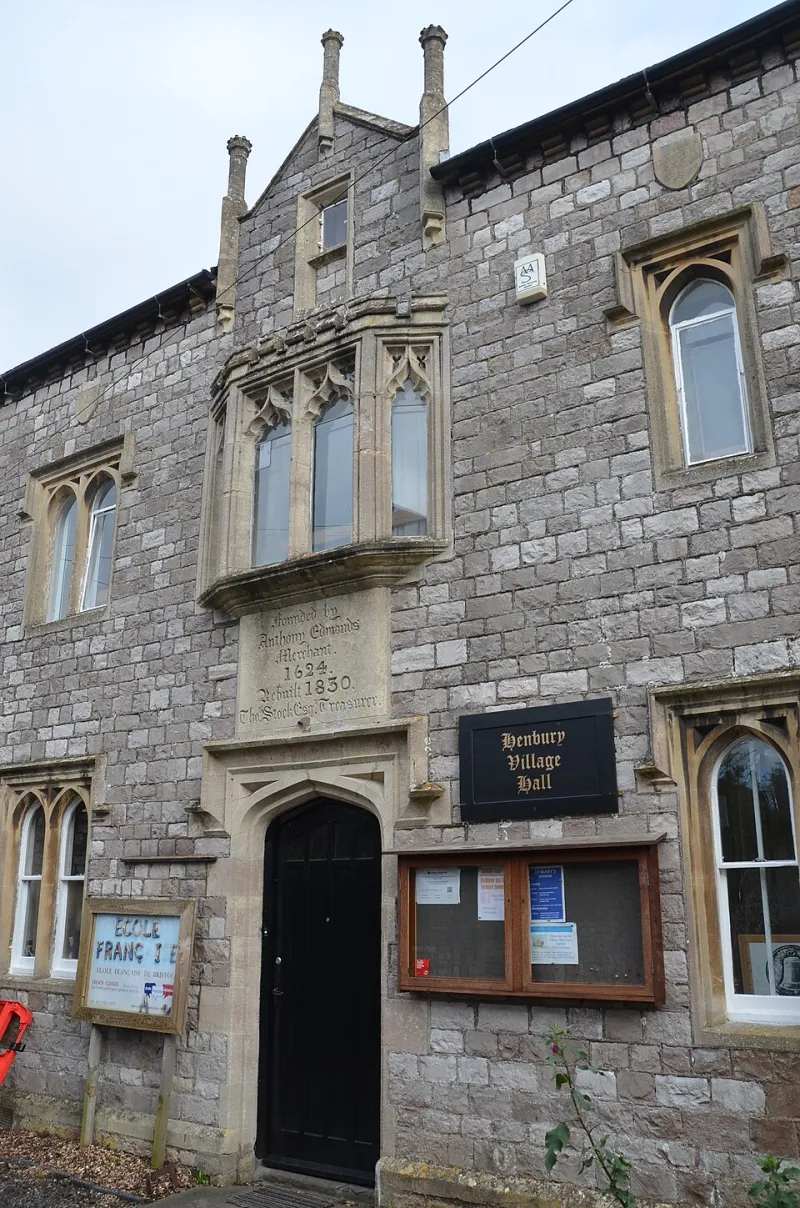
Photo: Hamburg103a, CC BY-SA 4.0, via Wikimedia Commons
There is a particular kind of venue that mobile creches know well. The village hall with the beautiful parquet floor and the corridor that was clearly designed for one vicar and a tea trolley. The hotel function room where the fire exit opens onto a patio with a step. The church room where the buggy park naturally forms right beside the door everyone would need to use in a hurry.
None of that means the event cannot go ahead. It simply means the evacuation plan has to be built around real babies, real buggies and real grown-ups — not a generic clip-art diagram. As we head into the busy 2026 winter event season, here is the calm, practical version we use when setting up a mobile creche in a venue that was never built for babies.
Start with the building’s awkward bits
Before the first child arrives, walk the venue with the person responsible for the building and, where possible, its fire risk assessment. Find every exit, not just the main one. Open the fire doors. Check for steps, thresholds, gravel, narrow turns and corridors that would become a bottleneck if a buggy was left in the wrong place.
Then look at where the prams will actually go. This is the heart of the issue. A buggy park beside a fire door is not a buggy park; it is an obstruction. Prams, car seats, changing bags and spare chairs should never block exits, fire doors, extinguishers, alarm points or the route to them. If the only obvious pram spot is on an escape route, choose a different corner and mark it clearly. A few metres of thought now saves a lot of shoving later.
Decide who does what before the first nap
In an evacuation, unclear roles create more delay than almost anything else. Keep it simple. Name a lead person for the creche — usually the most senior staff member on site — and a deputy. The lead takes the decision to move, liaises with the venue’s fire marshal and speaks to parents. The deputy owns the register and the headcount. One staff member is responsible for the grab bag. Others sweep the room, checking toilets, quiet corners and the area behind the bookcase where a toddler once fell asleep.
Make sure every adult knows which children they are responsible for. In a small creche, that might mean each staff member has three or four named children in mind. In a larger event, it may mean zone leaders. Either way, the question should never be “Who has the children?” but “Which adult has these children?”
The pram question
In a real evacuation, buggies are not the priority. Babies are. Staff should be prepared to carry babies and toddlers, use slings where they are already part of the plan, and hold hands with older children. Folding a pram in a corridor is not a sensible use of those seconds. If a buggy is directly in the way, move it aside; otherwise leave it and get the children out.
For children with additional needs, plan ahead with parents. A familiar adult, a pair of ear defenders, a favourite comfort toy or a planned hand-holding partner can make the difference between a smooth exit and a distressed one. The plan does not need to be complicated, but it does need to be written down and known by the staff on the day.
Rehearse without the fright
Fire drills can be alarming for under-fives, so rehearse in a way that feels like a game rather than a warning. We often call it the quiet door game: we walk the route together, practise opening the fire door with an adult’s help, and visit the meeting point. We explain that if the alarm ever makes a noise, a grown-up will help everyone go outside for a little while. No dramatic language, no talk of danger — just familiarity.
Where the venue allows it, schedule a short drill before the event opens. Tell parents in advance. Keep it brief. For older children, a simple explanation of the route and the meeting point is usually enough. Afterwards, staff should have a two-minute debrief: what worked, what was awkward, and what needs moving before the next session.
Headcounts that actually work
One shouted number is not a headcount. Use three checkpoints: at the exit, at the assembly point, and again when children are handed to parents. The deputy should count while the lead watches faces, not just figures. Names matter. A register with children’s names and key adult details is more useful than a tick sheet that tells you there are twelve children but not which twelve.
If the venue is large, agree a parent collection point well away from the exit. That keeps the doorway clear and stops a worried parent from walking back into the building while staff are still sweeping rooms.
Grab bags and little comforts
Keep a grab bag by the door, not locked in an office. Ours typically holds the register, consent and medication information, spare nappies, wipes, a first aid kit, high-vis vests for staff, a torch, a phone charger and a few soft comforts. It should be light enough for one person to carry while still keeping an eye on children.
Medication needs its own clear plan. If a child has an inhaler or adrenaline auto-injector, staff should know exactly where it is and who is carrying it. That is not a detail to leave until the alarm sounds.
The quiet bit afterwards
The evacuation is only half the job. Once everyone is safe, children need warmth, reassurance and a familiar voice. Staff should stay with them, explain simply what happened, and avoid sharing worried conversations over their heads. The venue’s fire marshal decides when it is safe to return. Afterwards, write down what happened, tell parents plainly and review the plan while it is fresh.
A good evacuation plan is not about expecting the worst. It is about making the ordinary bits — the pram park, the fire door, the corridor — work together calmly. In venues that were not built for babies, that bit of forethought is exactly what lets everyone relax and get on with the day.