Rooms That Ring: Making Noise Work for Babies and Big Kids at Mobile Creches
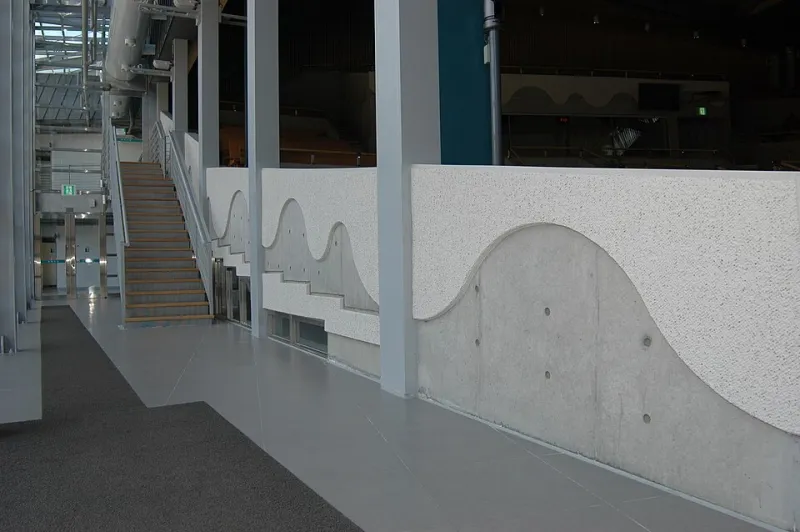
Photo: Hjkong, CC BY 4.0, via Wikimedia Commons
Walk into a church hall with a high ceiling and hard floor, clap your hands once, and listen. The sound comes back at you. Now imagine twenty children, a bubble machine, a story CD and a dropped tray of cups. That is not a failure of behaviour. It is a room doing what rooms do.
At CrecheMobile UK, we have set up creches in village halls, sports pavilions, hotel function rooms, converted barns and one glass-walled atrium that made a single shriek sound like a fire alarm. Noise is not the enemy. But a room that amplifies every squeak can make babies unsettled and older children wired. A calm sound plan helps everyone hear themselves think.
Why Some Rooms Make Children Louder
Sound bounces off hard surfaces. High ceilings, wooden floors, tiled walls, glass and empty space all send noise back into the room. In a sports pavilion, every dropped block seems to echo. In a church hall, a child’s voice can travel to the rafters and return with friends.
Babies feel this physically. A sudden echo can startle them. Toddlers often respond by getting louder, as if they are trying to hear themselves over the room. Older children can become excitable or competitive, feeding off the noise. The result is not just volume; it is a kind of auditory clutter that makes it harder to settle, listen or follow an instruction.
A Five-Minute Sound Map
Before families arrive, walk the room with a clipboard and do a quick sound map. Clap in the middle. Talk from the doorway. Listen near the kitchen hatch, the fire exit and the stage. Note where the echo is sharpest, where voices carry, and where a quiet corner might actually stay quiet.
Mark the loud spots. A corner near a speaker, a corridor beside the toilets, or a spot under a metal roof will not make a good rest area. Look for soft landings instead: a carpeted alcove, a curtained stage, a side room with a lower ceiling. You are not making a technical drawing. You are making a few notes that will save you a headache later.
Soften the Hard Edges
You do not need to soundproof a recording studio. You need to take the edge off. Rugs are your friend, especially in play areas and beside the quiet zone. Cushions, washable mats and soft seating absorb sound and give children somewhere comfortable to land. Blankets draped over trestle tables can create dens and dampen noise at the same time, as long as they are securely fixed and away from heaters.
Curtains help if the venue has them. If not, freestanding fabric screens can break up a large hall. Felt pads under chair legs reduce scraping. Bookshelves filled with books and board games act as soft barriers. Even a few plants can take the hard edge off a corner, provided they are safe and not a trip hazard.
Keep fire exits clear. Avoid draping fabric near radiators, fairy lights or sockets. The aim is a softer room, not a fire risk.
Build a Quiet Zone That Actually Works
A quiet zone is not a naughty corner. It is a regulation station. Put it away from the main play area, away from speakers and away from the door where people come and go. Low light helps. So does a rug, a basket of books, a few puzzles and a soft seat for an adult.
For babies, a darker corner with a travel cot or a clean mat gives them a break from the visual noise. For older children, a small den made from a table and a blanket can feel like a retreat. Have one staff member who owns that space, keeps it calm and gently redirects children who arrive at a run.
Tell parents where it is and what it is for. A quiet zone only works if grown-ups respect it too. A quick chat by the entrance can undo all your soft furnishings.
Talk to the Venue Before You Book
Ask questions before the contract is signed. Will there be a PA? Will music be playing during the creche? Is there a microphone that might be left on? Are there other events in the next room? Can the venue provide curtains or a quieter side room? What time is the sound check?
If the venue has a hearing loop, a stage or a built-in speaker system, ask how it will be used. A microphone left on in an empty hall can feedback. A DJ setting up at 5pm can make a nap zone impossible. A venue that understands your needs is worth more than one with a prettier floor.
The Glass Box Problem
Glass-walled venues are beautiful for adults and confusing for babies. Sound reflects off the glass, and so does everything else. Children can see the world outside, the corridor beside them, and the adults drinking coffee on the other side of the pane. It is a lot to process.
You cannot hang curtains on most glass walls, so create your own soft barriers. Freestanding screens, low shelving, rugs and play tents can make a small, enclosed feeling inside a big shiny room. Put the quiet zone away from the glass. Use visual barriers to reduce the sense of being watched. A glass box can work, but it needs more softness and more small dens than a carpeted hall.
After the First Hour
Sound changes as the room fills. Check in after the first hour. Has the music crept up? Is the quiet zone still quiet? Are the older children running laps around the soft furnishings? Turn the volume down before anyone has to shout. Dim the lights slightly if the venue allows it. Put on a familiar story or a gentle song.
A calm creche is not silent. It is a room where children can hear the adult who is helping them, where a baby can fall asleep without a drumbeat in their ear, and where a five-year-old can find a corner to breathe. Soften the room, map the noise and protect the quiet. The children will do the rest.